Exporting Desiccated Coconut from Indonesia
Exporting desiccated coconut from Indonesia has become a major component of the global coconut trade. Known for its rich coconut resources, Indonesia supplies millions of tons of coconut derivatives to countries around the world. Among these products, desiccated coconut plays a vital role as a versatile, shelf-stable, and high-value ingredient in various industries — from confectionery and bakery to health foods and cosmetics.
This article explores why Indonesia is one of the leading global suppliers of desiccated coconut, how the product is made, what quality standards are followed, and what international buyers should consider when importing from this tropical nation.
What Is Desiccated Coconut?
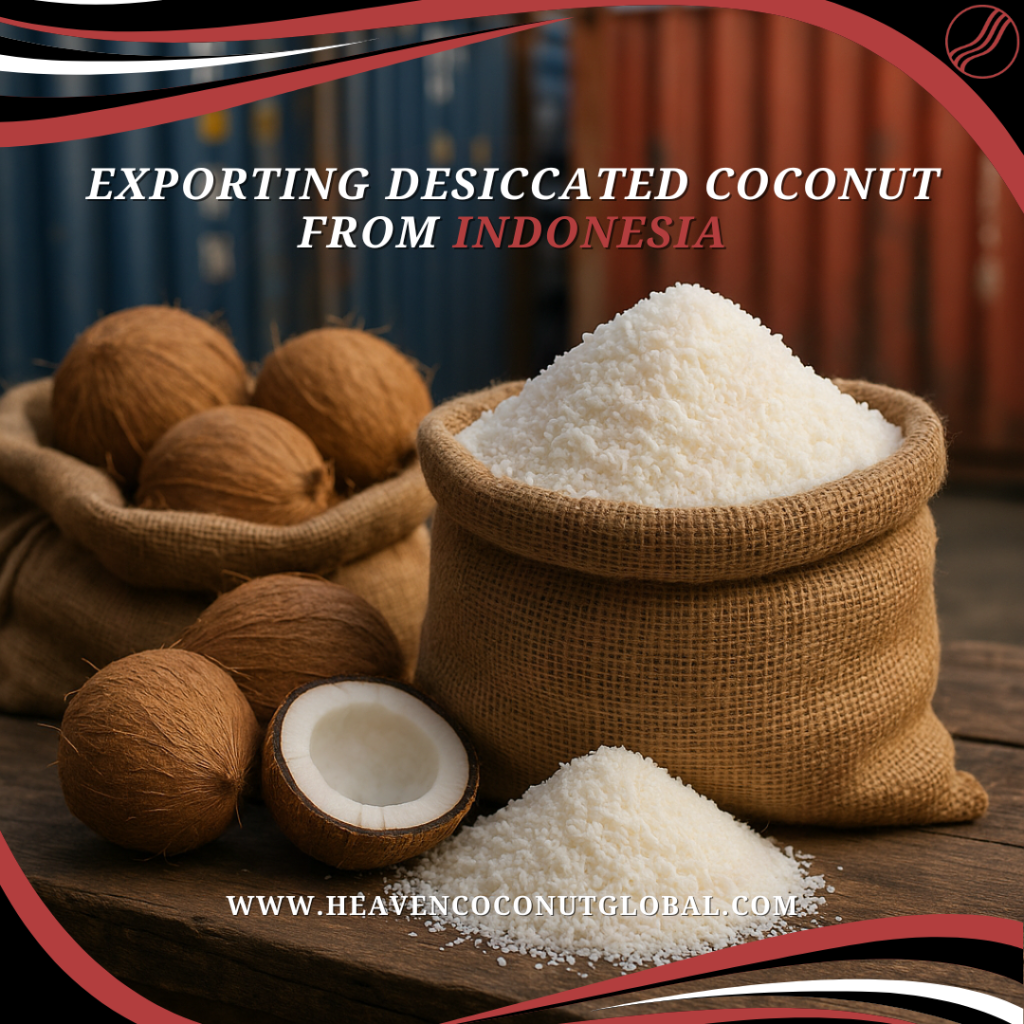
Desiccated coconut is made by grating, drying, and processing the white coconut meat (kernel) of mature coconuts. It is typically available in fine or medium grades, depending on the size of the granules. The product is naturally white in color, free from contaminants, and carries a mild coconut aroma and flavor.
Because it is dehydrated, desiccated coconut has a long shelf life, minimal microbial activity, and can be used as a key ingredient in:
-
Baked goods (cakes, cookies, muffins)
-
Chocolates and energy bars
-
Ice cream toppings
-
Cereal and granola
-
Coconut-based snacks
-
Savory dishes and curries (in some cultures)
Its high oil content and nutritional value — including fiber, iron, and healthy fats — make it popular in both developed and emerging food markets.
Why Indonesia?
Indonesia is the second-largest coconut producer in the world, behind only the Philippines. The country’s tropical climate, fertile volcanic soil, and consistent rainfall create ideal conditions for coconut farming. Many of these farms are run by smallholder communities who have cultivated coconut trees for generations, contributing to both quality and sustainability.
In addition to natural advantages, Indonesia has developed a robust agro-industrial base for processing coconut products. The production of desiccated coconut typically involves:
-
Selecting mature coconuts
-
Dehusking, deshelling, and removing the brown testa
-
Washing and sterilizing the white kernel
-
Shredding into desired grades
-
Drying at controlled temperatures
-
Metal detection and final quality screening
-
Hygienic packing in food-grade materials
These steps are carried out under strict supervision to ensure that the final product meets the international food safety requirements.
Standards and Certifications
When exporting desiccated coconut from Indonesia, producers must comply with both local and international standards. Reputable manufacturers typically hold:
-
HACCP certification (Hazard Analysis and Critical Control Points)
-
ISO 22000 or FSSC 22000 for food safety management
-
HALAL certification, essential for markets in the Middle East and Southeast Asia
-
Kosher certification, depending on market destination
-
Compliance with EU and FDA regulations, including aflatoxin and microbiological limits
Buyers are encouraged to request documentation, lab test results, and samples before placing orders. Transparency is a key indicator of a reliable supplier.
Key Considerations for Buyers
When sourcing desiccated coconut from Indonesia, buyers should consider the following:
1. Grade and Specification
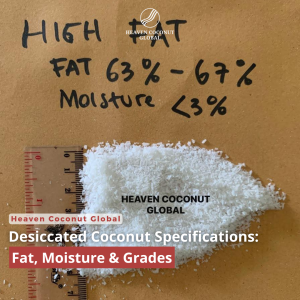
Clarify the grade (fine or medium), moisture content (usually below 3%), oil content, color, and aroma. Some applications require low-fat variants or customized blends.
2. Packaging and Shelf Life
Standard packaging is 25kg in multilayer kraft or PP woven bags. Shelf life typically ranges between 12–24 months, depending on storage conditions. Request nitrogen-flushed packaging if required.
3. Shipping and Incoterms
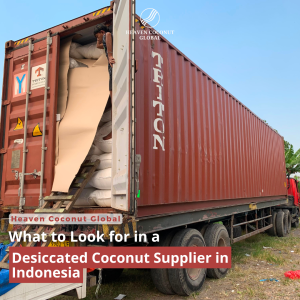
Indonesia has direct access to international ports like Surabaya, Jakarta, and Semarang. Exporters often offer terms such as FOB, CIF, or CNF depending on buyer preference.
4. Minimum Order Quantities
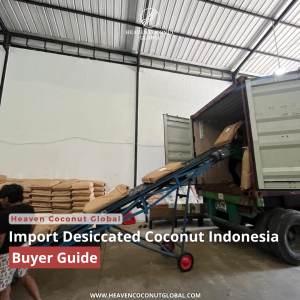
Most factories set MOQ at one full container load (approx. 13–14 MT), but some may accommodate smaller shipments depending on availability.
5. Sustainability and Ethical Sourcing
Increasingly, buyers prioritize coconut products sourced from ethical and sustainable practices. Ask about smallholder support programs, replanting initiatives, and fair trade certifications.
Why Heaven Coconut Global?
While Indonesia offers a wide selection of desiccated coconut exporters, not all companies offer the same level of consistency, responsiveness, and reliability. That’s where Heaven Coconut Global offers a distinct advantage.
Based in Indonesia, Heaven Coconut Global works closely with local farmers and modern facilities to produce high-quality desiccated coconut that meets international standards. Our focus is on long-term relationships, clear communication, and timely delivery — values that matter in every international trade partnership.
Our clients include food manufacturers, wholesalers, and ingredient traders across Asia, Europe, and the Middle East. We are always open to exploring new collaborations.
Final Thoughts
Exporting desiccated coconut from Indonesia is not just about accessing a commodity — it’s about tapping into a long-standing agricultural tradition, supported by growing global demand and a commitment to quality.
For buyers looking to source premium desiccated coconut with confidence, Indonesia is a strategic choice. And with the right partner, like Heaven Coconut Global, you can ensure your supply chain is as efficient as it is dependable.