Why Consistent Quality Is Critical for Long-Term Desiccated Coconut Supply
In global food manufacturing, consistent quality desiccated coconut is far more important than simply offering a competitive price. For buyers who rely on desiccated coconut as a core ingredient—especially in bakery, confectionery, and food processing—quality consistency directly impacts production efficiency, product taste, and brand reputation.
For this reason, long-term buyers prioritize suppliers who can maintain stable quality over time, not just during one shipment.
What Does Consistent Quality Mean in Desiccated Coconut?
Consistent quality desiccated coconut means that every shipment meets the same agreed specifications without significant variation. This includes:
-
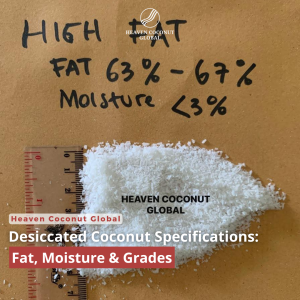
Stable moisture content
-
Consistent fat percentage
-
Uniform color and whiteness
-
Reliable particle size (fine or medium grade)
-
Clean, export-grade packaging
When these parameters remain stable from batch to batch, manufacturers can operate without constant adjustments in their production process.
Why Consistent Quality Matters for Food Manufacturers
Food manufacturers work with precise formulations. Even small changes in desiccated coconut quality can affect final products.
For example:
-
Higher moisture can reduce shelf life or cause spoilage
-
Lower fat content can affect aroma and mouthfeel
-
Inconsistent particle size can impact texture and appearance
As a result, inconsistent quality leads to production inefficiencies, higher rejection rates, and potential customer complaints. This is why buyers prefer long-term suppliers who understand and control quality at every stage.
Consistent Quality Supports Long-Term Supply Agreements
In international trade, long-term supply relationships are built on trust. Buyers are more willing to commit to regular monthly shipments when they are confident that quality will remain stable.
Consistent quality desiccated coconut allows buyers to:
-
Plan production schedules more accurately
-
Reduce incoming inspection costs
-
Minimize risk of shipment disputes
-
Scale volume with confidence
Without consistency, even competitive pricing becomes less attractive.
How Exporters Maintain Consistent Desiccated Coconut Quality
Maintaining consistent quality requires structured processes, including:
-
Controlled raw material selection
-
Standardized production procedures
-
Regular quality checks during processing
-
Pre-shipment inspection before loading
-
Clear documentation and traceability
Exporters who apply these controls can identify potential issues early and prevent quality deviations before shipment.
The Role of Inspection and Documentation
Inspection and proper documentation play an essential role in ensuring consistent quality. Certificates such as COA, phytosanitary, and fumigation documents help confirm that the product shipped matches the agreed specifications.
When inspection results align with documentation, buyers gain confidence that quality claims are accurate and verifiable.
Why Long-Term Buyers Avoid Inconsistent Suppliers
Inconsistent suppliers create operational risk. Even if the first shipment meets expectations, variations in later shipments can damage trust.
For long-term buyers, switching suppliers is costly and disruptive. Therefore, they carefully evaluate suppliers based on their ability to maintain consistent quality over time—not just initial performance.
Consistent Quality as a Competitive Advantage
In the competitive desiccated coconut market, consistent quality is a key differentiator. Suppliers who prioritize quality stability position themselves as reliable partners rather than transactional sellers.
This approach supports sustainable growth, repeat orders, and long-term cooperation across international markets.
Contact Us for Reliable Desiccated Coconut Supply
If you are looking for a supplier that understands the importance of consistent quality desiccated coconut for long-term supply, we are ready to support your requirements.
📧 [email protected]
📱 WhatsApp: +62 813-9354-6736
Let’s discuss your specifications and long-term supply needs.