The Nutritional Value of Desiccated Coconut and Its Global Demand
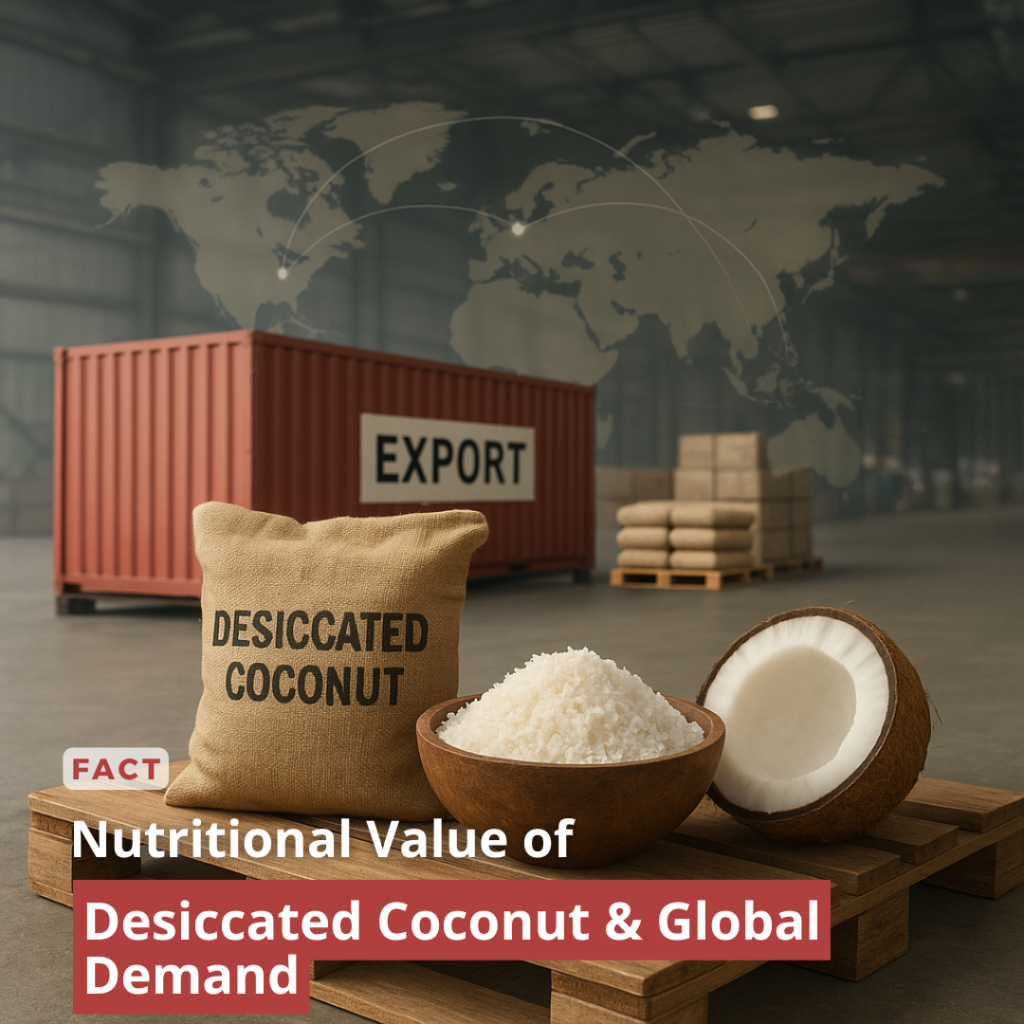
The nutritional value of desiccated coconut has made it a highly valued ingredient in the global food industry. This versatile coconut product not only adds flavor and texture but also provides essential nutrients such as healthy fats, fiber, and minerals. As more consumers demand natural and functional foods, desiccated coconut continues to gain attention in bakery, confectionery, and health-focused markets worldwide.
Nutritional Value of Desiccated Coconut
Producers create desiccated coconut by shredding and drying the white kernel of mature coconuts. This process keeps most of the natural nutrients intact and makes the product both energy-rich and convenient.
-
High in Healthy Fats
Desiccated coconut delivers medium-chain triglycerides (MCTs). The human body digests these fats quickly and converts them into energy. Nutritionists often highlight MCTs for supporting metabolism, brain function, and satiety. -
Rich Source of Dietary Fiber
The product provides significant dietary fiber. Fiber helps digestion, supports gut health, and stabilizes blood sugar levels. Many health experts connect high-fiber diets with reduced risks of heart disease and obesity. -
Packed with Essential Minerals
Desiccated coconut offers manganese, copper, selenium, and iron. These minerals contribute to bone strength, antioxidant defense, and blood health. -
Low in Carbohydrates
Unlike refined flours or sugars, desiccated coconut contains fewer carbohydrates. This advantage makes it attractive to people who follow low-carb or ketogenic diets.
Global Demand for Desiccated Coconut
Worldwide demand for desiccated coconut continues to rise as diets and food industries evolve. Several key factors drive this growth:
-
Bakery and Confectionery Industry
Bakers and snack producers rely on desiccated coconut for cakes, cookies, energy bars, and chocolates. Global food chains consistently require this ingredient for their recipes. -
Health and Wellness Market
Consumers now prefer plant-based, vegan, and clean-label foods. Desiccated coconut offers a natural and nutrient-dense option that aligns with these preferences. -
Expanding Middle-Class Consumption
Rising incomes in Asia, the Middle East, and Africa encourage people to buy more premium baked goods and packaged snacks. Many of these products use desiccated coconut as a flavoring and texture enhancer. -
Global Trade Expansion
Exporters from Indonesia, the Philippines, Sri Lanka, and India supply desiccated coconut to Europe, the United States, and the Middle East. Importers value the product for its consistent quality, long shelf life, and flexibility in diverse cuisines.
Sustainability and Future Outlook
Sustainability now plays a crucial role in coconut production. Buyers favor suppliers who practice ethical farming, promote fair trade, and maintain traceability in their supply chain. Producers that commit to these principles gain stronger positions in international markets.
Looking forward, experts expect demand for desiccated coconut to continue climbing. Growth in plant-based diets, functional foods, and healthy snacking trends ensures a positive future. This product stands not only as a traditional ingredient but also as a modern superfood.
Conclusion
Desiccated coconut offers a powerful combination of healthy fats, dietary fiber, and essential minerals. Food producers value its versatility, while consumers appreciate its nutritional benefits. As global demand rises, businesses that focus on quality and sustainability will secure long-term growth in the coconut trade.