Safety in Copra Meal Shipping: Packaging and Handling Procedures According to Export Standards
Copra meal, a valuable by-product of coconut oil extraction, is widely used as animal feed due to its high fiber and protein content. With increasing global demand, especially from markets in the Middle East and Asia, ensuring copra meal shipping safety is essential for maintaining product quality, preventing contamination, and meeting international regulations.
This article outlines the key procedures for the safe packaging and handling of copra meal to ensure it arrives at its destination in optimal condition.
Why Shipping Safety Matters for Copra Meal
Copra meal is an organic product that can degrade or become contaminated if not handled properly during shipping. Poor handling may result in:
-
Moisture absorption, leading to mold and spoilage
-
Cross-contamination with other cargo
-
Infestation by insects or pests
-
Packaging damage during transit
-
Rejection by buyers due to quality issues
Therefore, exporters must apply the correct packaging and handling procedures that comply with international export standards and best practices in agricultural logistics.
Packaging Procedures for Export-Grade Copra Meal
Proper packaging is the first line of defense in maintaining copra meal quality during shipping. Here are key packaging requirements:
1. Use of Durable Sacks or Bags
Copra meal should be packed in woven polypropylene bags (PP bags) or kraft paper bags with strong seams. These materials are breathable, resistant to tearing, and suitable for dry agricultural products.
-
Bag capacity typically ranges from 25 kg to 50 kg
-
Double stitching helps prevent leakage
-
Bags must be clean and dry before filling
2. Moisture Control
Since copra meal is sensitive to moisture, it’s crucial to:
-
Ensure product moisture content is below 10% before packing
-
Store in a dry, well-ventilated environment before loading
-
Use moisture-absorbing packets if necessary inside containers
3. Palletization for Stability
To facilitate easier handling and reduce the risk of bag damage, stack bags on wooden or plastic pallets. Palletization:
-
Prevents direct contact with the container floor
-
Improves air circulation
-
Enables safe forklift movement and loading
After palletizing, the bags should be tightly wrapped with stretch film or shrink wrap to stabilize the load and reduce shifting during transit.
Handling and Loading Procedures
Beyond packaging, the way copra meal is handled during loading and transport plays a vital role in maintaining safety.
1. Avoid Cross-Contamination
Never ship copra meal alongside chemicals, fertilizers, or other substances that may emit strong odors or cause contamination. Dedicated cargo space or clean containers must be used.
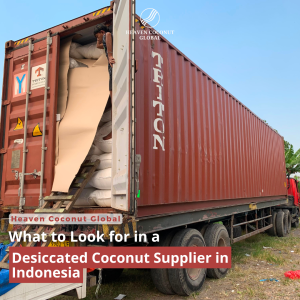
2. Clean and Dry Containers
The container used must be:
-
Free of previous cargo residues
-
Dry and odorless
-
Without holes or rust that could lead to water ingress
A fumigation certificate may also be required in some countries to verify that the container is free from pests.
3. Proper Stacking Inside Containers
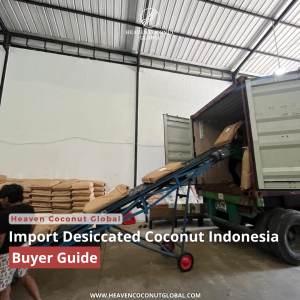
Bags should be stacked uniformly and securely inside the container, leaving space for air circulation. Avoid overloading or stacking too high, which may cause bag rupture under pressure.
4. Temperature Monitoring
In hot climates or long shipments, consider using temperature loggers to monitor internal conditions and ensure that heat buildup does not compromise product quality.
Compliance with Export Regulations
Exporters must follow documentation and quality assurance protocols, including:
-
Providing a Certificate of Origin
-
Supplying MSDS (Material Safety Data Sheet) if requested
-
Meeting phytosanitary requirements for animal feed
-
Using standardized labeling (product name, weight, batch number, country of origin)
Buyers often request samples before final shipment to verify quality, so consistency between sample and actual shipment is critical.
Conclusion
Exporting copra meal successfully requires more than just product availability—it demands strict attention to copra meal shipping safety. By using proper packaging materials, following secure loading procedures, and adhering to export regulations, exporters can ensure that their copra meal arrives in perfect condition.
At Heaven Coconut Global, we are fully committed to meeting international standards in both product quality and shipping procedures. With reliable supply capacity, professional handling, and export-ready documentation, we are ready to deliver high-quality copra meal to global markets safely and efficiently.
Partner with Heaven Coconut Global for a trustworthy and consistent copra meal supply.