Why Global Markets Depend on Indonesian Desiccated Coconut Supply
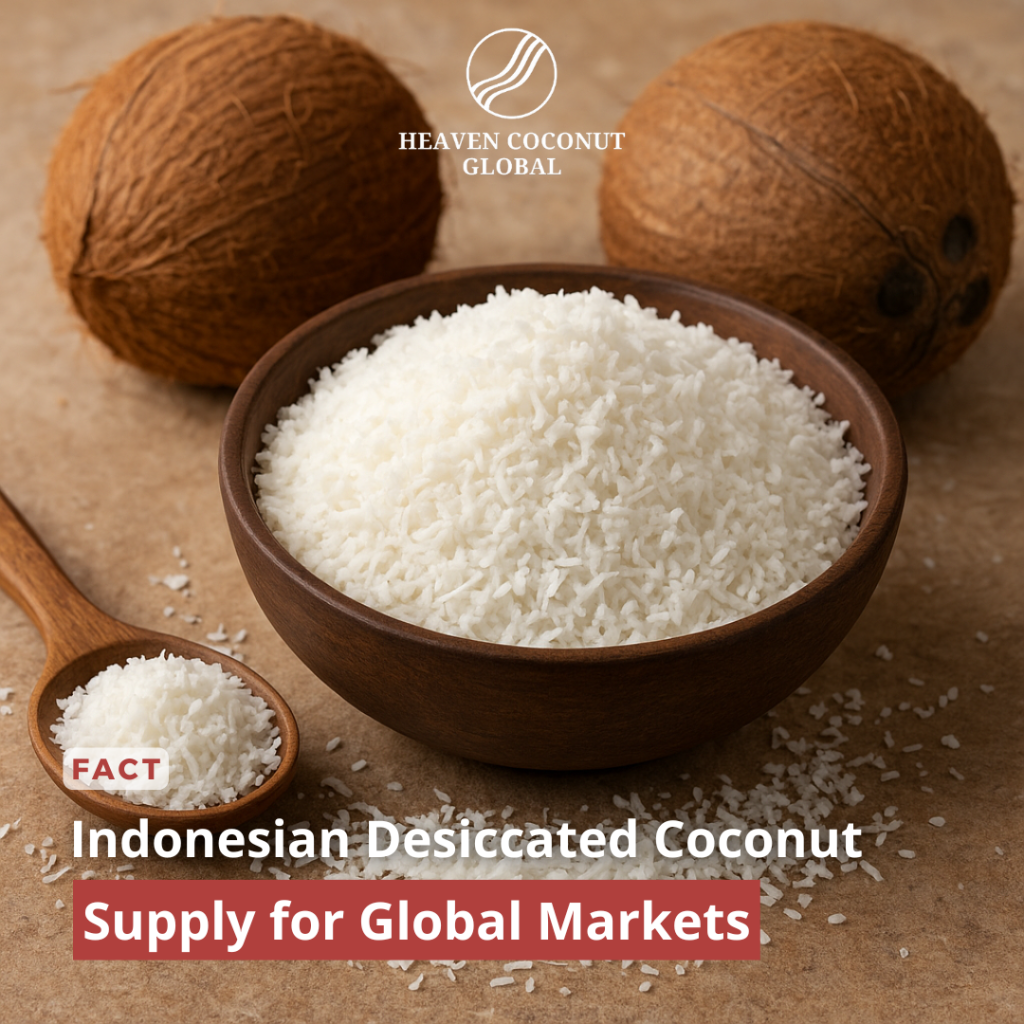
The global food and beverage industry increasingly depends on Indonesian desiccated coconut supply to meet the rising demand for natural, plant-based, and versatile ingredients. Whether used in bakery products, confectionery, cereals, or health-focused snacks, desiccated coconut has become a staple in international trade. While the Philippines, Vietnam, and Sri Lanka also contribute to global coconut exports, Indonesia holds a unique position as a reliable and large-scale supplier. With consistent quality, competitive pricing, and strong export capabilities, Indonesia plays a central role in sustaining the global desiccated coconut market.
Indonesia’s Strong Position in Coconut Production
Indonesia is the world’s largest coconut producer, responsible for more than 30% of global output. This dominance gives the country a strong foundation to maintain steady desiccated coconut supply for buyers worldwide. Vast plantations across Sumatra, Sulawesi, and Java provide a continuous flow of raw materials, making Indonesia less vulnerable to shortages compared to smaller producing nations.
Thanks to its favorable climate, fertile soils, and generations of farming expertise, Indonesia consistently delivers coconuts of high quality. This agricultural strength ensures that the Indonesian desiccated coconut supply remains reliable and scalable for the international market.
Why Global Buyers Rely on Indonesian Desiccated Coconut
1. Consistent Quality and Food Safety
Global buyers choose Indonesia because manufacturers follow strict food safety standards such as HACCP, ISO, and Halal certification. This ensures that desiccated coconut from Indonesia meets the requirements of markets in Europe, North America, the Middle East, and Asia.
2. Wide Range of Product Grades
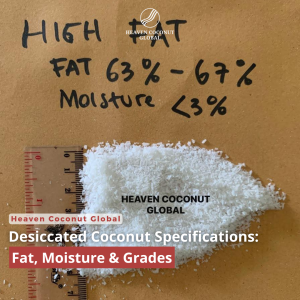
From fine to medium cuts and from high-fat to low-fat varieties, Indonesian suppliers offer multiple grades of desiccated coconut. This flexibility allows bakeries, confectionery brands, and health food companies to find exactly the type they need.
3. Competitive Export Pricing
Indonesia’s large production base makes it possible to keep pricing competitive. Even with fluctuating global coconut prices, buyers often find more stability in the Indonesian desiccated coconut supply, making it a cost-effective option.
4. Strategic Shipping Access
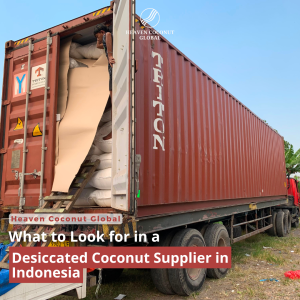
With ports across Sumatra, Java, and Sulawesi, Indonesia provides efficient export routes to major global hubs. Whether shipping to Dubai, Rotterdam, or Los Angeles, Indonesian suppliers can deliver desiccated coconut quickly and reliably.
5. Rising Global Demand for Coconut Products
The global trend toward plant-based diets and natural ingredients is driving demand for coconut-based products. Desiccated coconut, being gluten-free and nutrient-rich, perfectly fits these consumer preferences. As a result, Indonesian desiccated coconut supply is increasingly important for global food industries seeking sustainable growth.
Challenges and Opportunities
Like all agricultural industries, Indonesia faces challenges such as climate risks and price volatility. However, government initiatives, investments in modern processing, and sustainability programs help strengthen the country’s position as a top supplier. Indonesian producers are also adopting eco-friendly practices and supporting smallholder farmers, further enhancing the credibility of the Indonesian desiccated coconut supply in international markets.
Conclusion
Global markets depend on Indonesian desiccated coconut supply because of the country’s unmatched production capacity, quality assurance, and competitive export advantages. As demand for healthy, plant-based, and versatile ingredients continues to rise, Indonesia will remain at the center of global desiccated coconut trade. For buyers seeking a trustworthy partner, Indonesia is not just a supplier—it is the backbone of the international coconut industry.