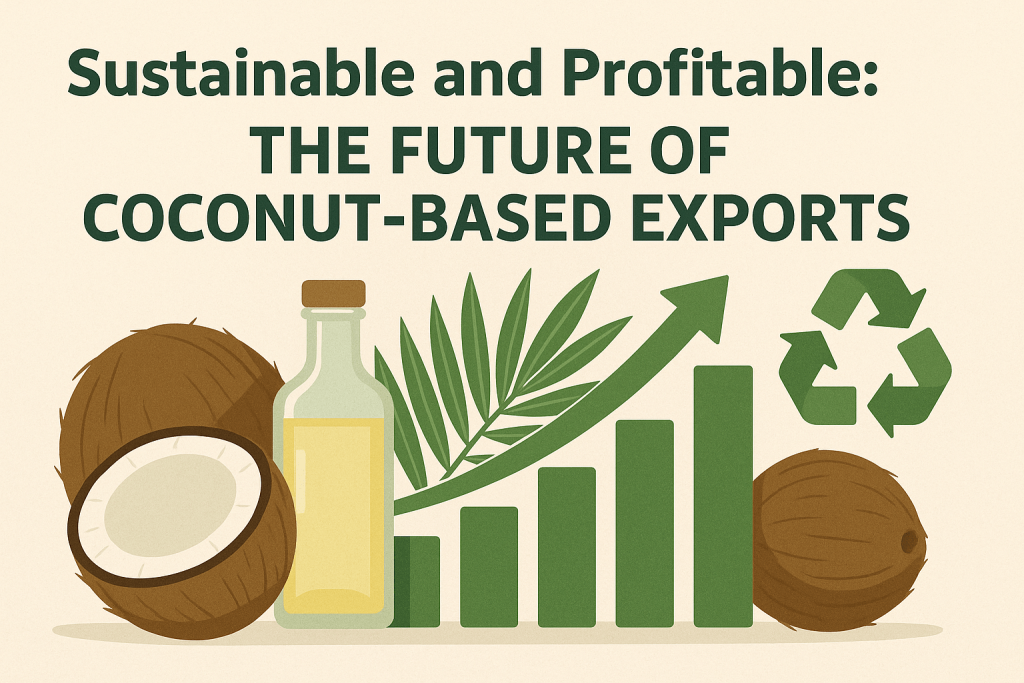
As global markets continue to shift toward natural and eco-friendly solutions, coconut-based products are emerging as one of the most sustainable and profitable sectors in the agricultural export industry. From RBD coconut oil to copra meal and desiccated coconut, the future of coconut-based exports is bright, driven by rising demand, innovation, and a growing focus on sustainability.
1. Rising Global Demand for Coconut Products
In recent years, the demand for coconut derivatives has surged across the globe. Health-conscious consumers are embracing RBD CNO (Refined, Bleached, and Deodorized Coconut Oil) for its neutral flavor, high smoke point, and versatility in food and cosmetics. Meanwhile, copra meal is valued as a protein-rich animal feed, and desiccated coconutis widely used in confectionery and baking industries.
Markets in the United States, Europe, the Middle East, and Asia continue to expand, opening doors for exporters who can deliver consistent quality and volume.
2. Sustainability: A Core Advantage
Coconut farming is inherently eco-friendly. Coconut trees require less water, reduce soil erosion, and absorb large amounts of carbon dioxide. Unlike other crops that strain the environment, coconuts provide a renewable and low-impact agricultural solution.
In addition, nearly every part of the coconut can be utilized—from oil and husk to shells and copra—making it one of the most waste-free crops on the planet.
3. Profitable Opportunities Across the Value Chain
Exporters and producers are tapping into the full value chain of coconut processing:
-
RBD Coconut Oil: In demand for industrial food production and cosmetics.
-
Copra Meal: A cost-effective alternative to soybean meal for livestock.
-
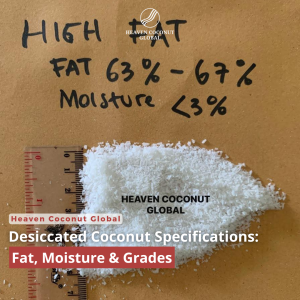
Desiccated Coconut: High-value ingredient for desserts and packaged foods.
-
Emerging Products: Coconut sugar, coconut flour, activated carbon from shells, and even biofuel.
This diversification opens up multiple revenue streams while minimizing waste.
4. Indonesia’s Strategic Role in the Global Market
As one of the world’s largest coconut producers, Indonesia plays a critical role in supplying coconut products to the international market. Exporters like Heaven Coconut Global are leveraging Indonesia’s rich coconut resources, skilled labor, and strategic logistics to meet global standards and fulfill bulk orders worldwide.
5. The Road Ahead: Tech and Traceability
Future-focused exporters are investing in digital traceability, quality control systems, and sustainable farming practices to meet the growing demands of global buyers and certifications such as ISO, HACCP, and Organic.
Companies that embrace transparency, efficiency, and eco-certification will not only protect the environment but also build long-term trust with buyers.
Conclusion
The future of coconut-based exports is both sustainable and profitable, offering long-term opportunities for exporters, investors, and communities alike. By aligning with eco-conscious practices and expanding into value-added products, the coconut industry is set to thrive in the global marketplace.
Heaven Coconut Global is proud to be part of this future—exporting quality coconut products from Indonesia to the world.